
Poppy Playtime Chapter 4 Safe Haven Lore — Environmental Storytelling (No Characters)
Safe Haven is not built to scare you.
It is designed to teach you who you are inside a place that never explains itself.
This guide breaks down how the environment tells its story — no character names, no cutscenes, no spoilers.
The Architecture — A Facility Not Built for You
Safe Haven’s spatial language is direct:
You are inside a structure designed to retain, not to welcome.
The walls are:
- thick, industrial, engineered
- built around pressure, heat, and containment
- designed to transport things you don’t see
You notice:
- narrow vents
- wide mechanical corridors
- angled corners with hidden sightlines
Nothing is “decorated.”
Everything is functional.
You’re not a guest.
You’re an intruder navigating infrastructure.
Lighting — Not Horror, Regulation
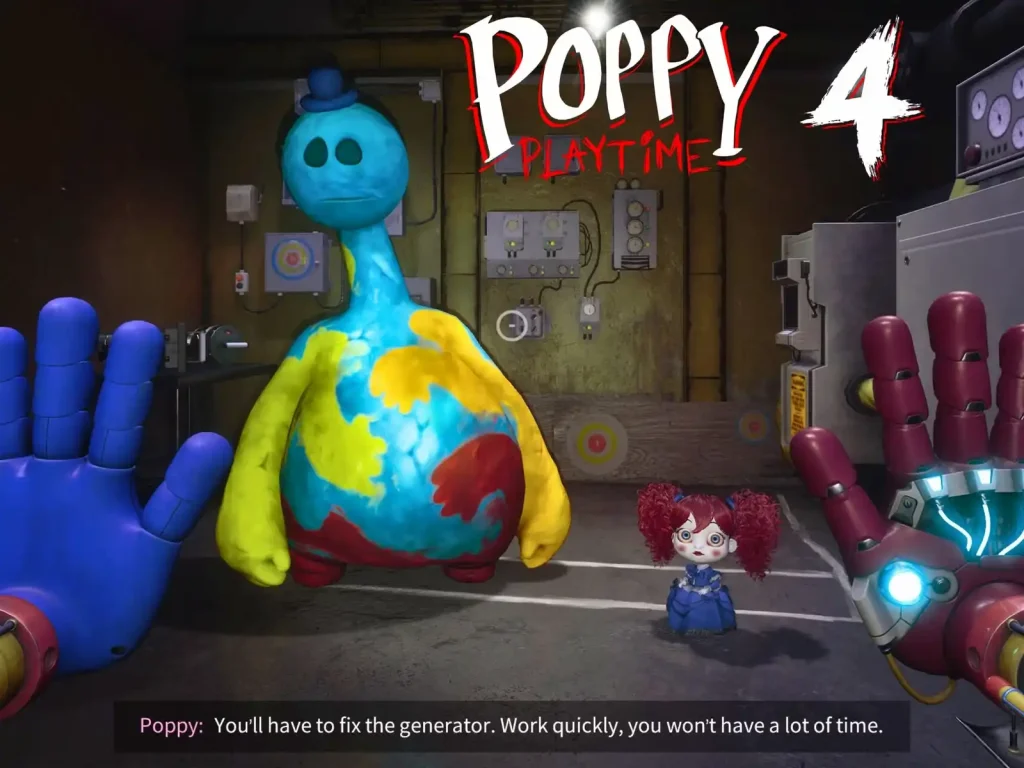
Chapter 4’s lighting is not cinematic.
It is industrial compliance:
- hallway strip lights
- emergency beacons
- maintenance signals
- work-zone flood lamps
You will notice no attempt to “guide” you.
Light is used like factory signage — denoting priority, not comfort.
Where you expect clarity, you get fog.
Where you expect darkness, you get harsh white.
The facility dictates your visual direction, not the designers.
Sound — The Building Has a Pulse
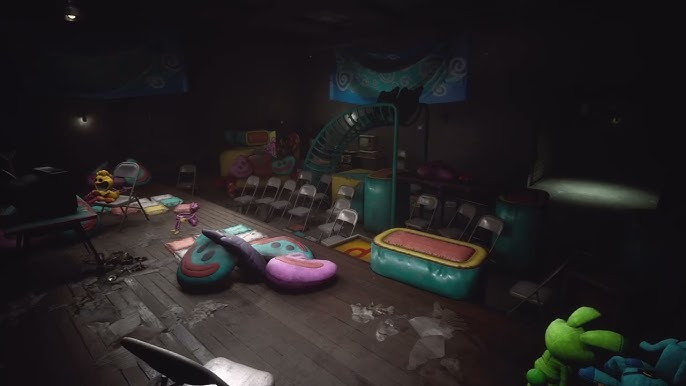
Safe Haven doesn’t use music to lead emotion.
It uses mechanical ambience.
You hear:
- fans
- vents
- metal strain
- far-off pressure systems
- occasional thuds not tied to events
These aren’t “horror” cues.
They are live facility rhythms, the way deep mines and naval bunkers breathe.
The environment reminds you:
“Something is operating here whether you exist or not.”
You are not the center of attention —
you are noise inside a machine.
Doorways — Not Boundaries, Classifications
Most games use doors as:
- checkpoints
- progression gates
- dramatic reveals
Safe Haven uses them as taxonomy.
Different doors = different purposes:
- emergency containment doors
- maintenance access panels
- vertical service shafts
- electrical lockouts
They silently communicate:
“You are crossing into a different discipline,
not a new chapter.”
Players who ignore these signals
wander into danger they don’t understand.
Hallways — The Facility’s Intent, Not Your Path
Safe Haven hallways are not made for “travel.”
They are made for:
- transport
- isolation
- acoustic control
- line-of-sight denial
They bend at odd angles.
They drop into pits.
They widen unexpectedly — not to relax you,
but to break predictable pursuit patterns.
You are inside a place that expects other things to move here.
Not you.
Rooms — Storage, Containment, Process
Rooms in Chapter 4 never exist “just to exist.”
Every chamber has a reason:
- circulation zones
- isolation staging
- dormant transfer lines
- coolant paths
- mechanical wells
You are walking through procedures, not “levels.”
The building is a graph of work, not a maze.
The lore here is operational, not narrative:
“This is where things waited.
This is where things moved.
This is how things were controlled.”
You aren’t discovering a mystery.
You are discovering a workflow.
Verticality — Up Is Not Escape
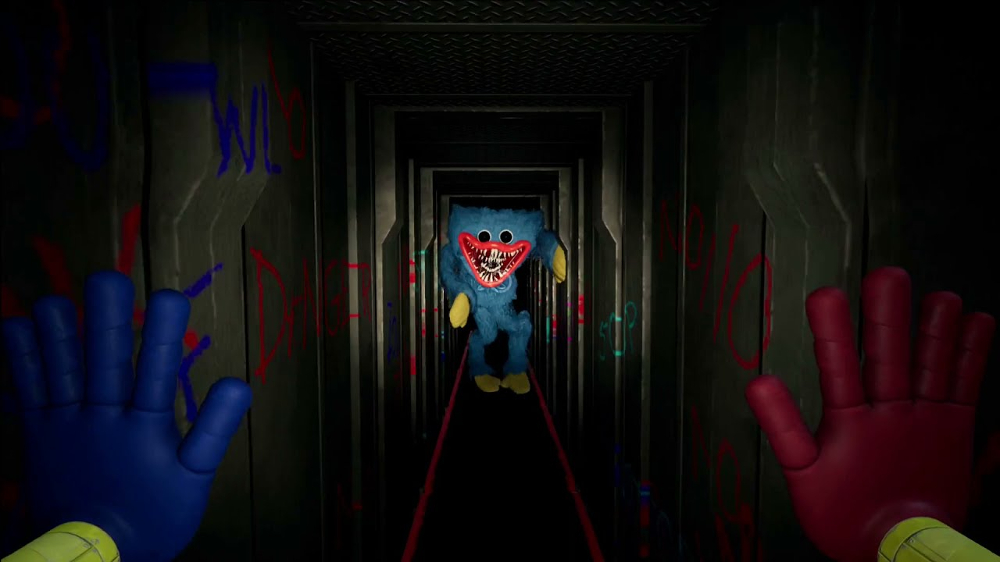
In horror games, going upward signals safety or progress.
In Safe Haven, verticality:
- compresses
- narrows
- blinds
Stairs and lifts aren’t “ascending out.”
They are moving deeper into the machine.
The environment tells you:
“Distance isn’t escape.
Direction is context.”
Dead Ends — Not Mistakes, Diagnostics
When players hit dead ends, they think:
“I went the wrong way.”
In Safe Haven:
- the dead end is a lesson
- the turnback is deliberate
- the pressure is intentional
Dead ends train you to:
- slow down
- read spaces
- respect blind corners
The facility doesn’t punish you.
It calibrates you.
Why Safe Haven Feels Heavy Without Telling You Anything
You leave Safe Haven feeling:
- claustrophobic
- unsettled
- unimportant
Because the environment never once pretends you matter.
Its architecture says:
- “This place had a purpose.”
Its layout says: - “You are outside that purpose.”
Its atmosphere says: - “We didn’t build this for you.”
That’s why Safe Haven succeeds as a horror space —
not by jump scares, but by total indifference.
You are not hunted because of who you are.
You are hunted because you are out of place.
The Lore of Safe Haven Is Simple
Safe Haven is not a story.
It is infrastructure for stories you were not meant to witness.
The architecture carries the lore.
You read the walls, not the characters.
The larger influence behind these events may trace back to Prototype (Experiment 1006).