What Does the Prototype Want in Poppy Playtime Chapter 5? Motives Explained
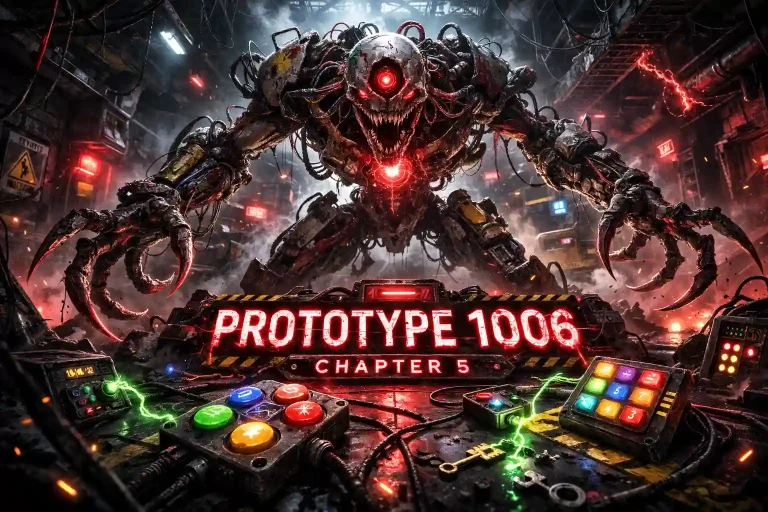
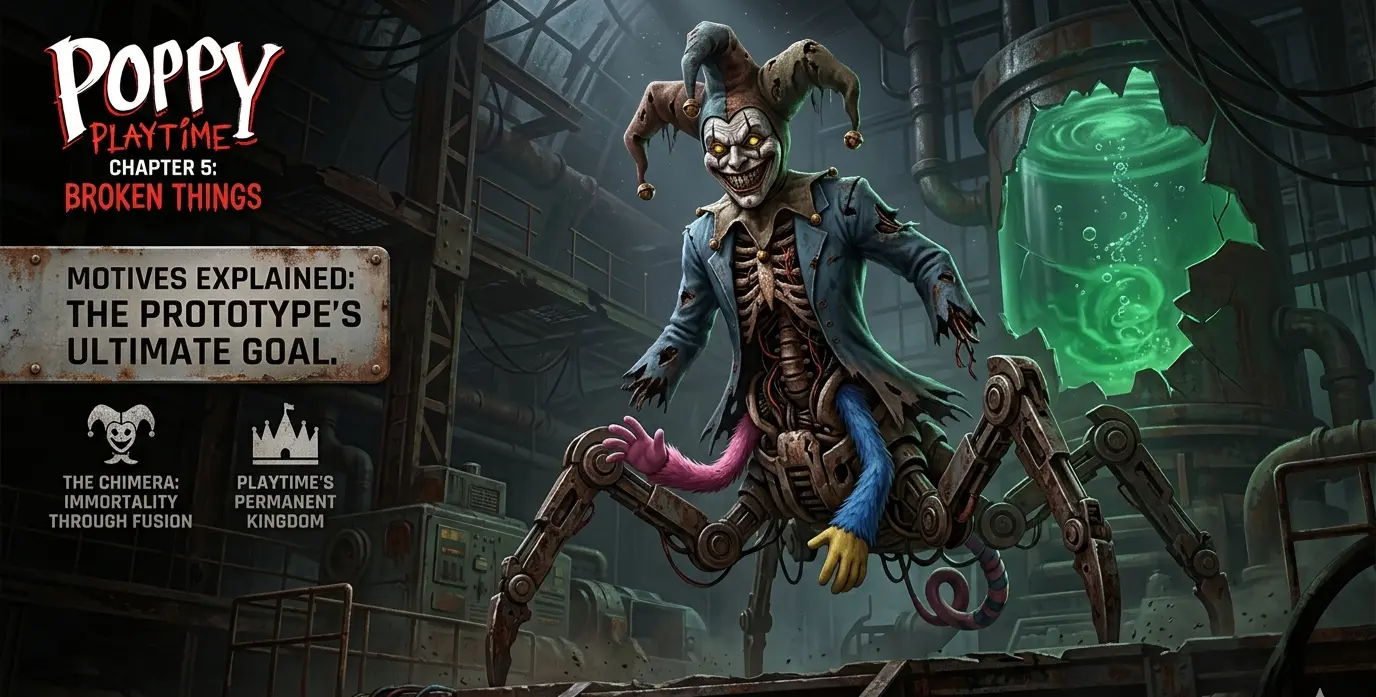
In Poppy Playtime Chapter 5, the Prototype (Experiment 1006) does not act randomly or purely as a hostile force. Instead, its behavior suggests a calculated strategy where it manipulates events, controls other experiments, and shapes what happens inside the factory. Rather than direct confrontation, the Prototype appears to operate as a hidden intelligence guiding outcomes toward a larger unknown goal.
Is the Prototype Controlling Events in Chapter 5?
One of the biggest changes in Poppy Playtime Chapter 5 is how the threat is presented. Instead of constant direct attacks, the danger feels indirect — almost like something is controlling the situation from behind the scenes.
As you move through different areas of the factory, certain patterns start to stand out. Encounters don’t feel random. Obstacles appear at the right moment. Some sequences escalate in a way that feels intentional rather than accidental.
The game never explicitly confirms this, but the design strongly suggests that something is orchestrating what happens inside the factory. The Prototype fits that role perfectly.
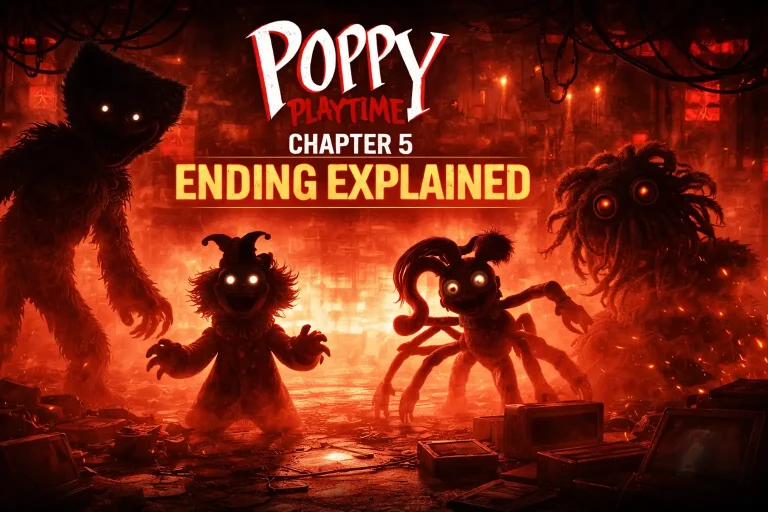
For a full breakdown of how these events play out at the end of the chapter, see the Chapter 5 ending explained guide.
Why the Prototype Avoids Direct Confrontation
A key question players ask is: if the Prototype is so powerful, why doesn’t it attack directly?
The answer lies in how it behaves. The Prototype doesn’t act like a typical enemy. It does not chase constantly, and it does not rely on brute force in most situations.
Instead, it appears to prefer:
- Observation over immediate action
- Control over chaos
- Indirect threats instead of direct confrontation
This suggests intelligence. A creature acting on instinct would attack whenever possible. The Prototype does not. That alone indicates that it may be thinking ahead, choosing when and how to intervene.
From a gameplay perspective, this makes it more dangerous. You can prepare for something chasing you. You cannot easily prepare for something manipulating your environment.
The Prototype as a Strategic Intelligence
By Chapter 5, it becomes clear that the Prototype is more than just another experiment gone wrong. Its actions suggest planning, awareness, and possibly long-term intent.
There are several signs pointing to this:
- Events unfolding in controlled sequences
- Environments reacting in ways that guide the player
- Threats appearing at precise moments
This behavior is not random. It gives the impression that the Prototype is acting like a central intelligence system, observing everything happening inside the factory and adjusting accordingly.
How the Prototype Uses Other Experiments
Another major clue about the Prototype’s motives is how other experiments behave. Some encounters in Chapter 5 feel coordinated — instead of isolated threats, they seem like part of a larger pattern.
Instead of acting alone, it allows or directs other entities to:
- Block the player’s path
- Create dangerous situations
- Increase pressure during key moments
This creates layered tension. The player is not just avoiding one threat but navigating a system of threats that may all be connected. If this interpretation is correct, it means the Prototype is not just surviving inside the factory — it is actively controlling it.
Many of these coordinated encounters are documented in the Chapter 5 hidden secrets guide, which covers environmental details most players miss on a first run.
What Does the Prototype Actually Want?
This is where things get more complex. Chapter 5 does not give a clear answer, but based on behavior, we can identify possible motives.
Control of the Factory
The most obvious goal is control. The Prototype may be trying to maintain authority over the factory environment, ensuring that nothing disrupts its position.
Protection of Something Hidden
Another possibility is that the Prototype is protecting something deeper inside the facility. Its actions may be preventing access rather than simply attacking.
Long-Term Planning
Its behavior suggests patience. Instead of reacting immediately, it allows situations to develop before intervening. That points toward a long-term objective rather than short-term survival.
This makes the Prototype different from any other entity in the game.
Is the Prototype Evil or Just Strategic?
At first, it’s easy to assume the Prototype is purely evil. After all, it creates dangerous situations and controls hostile environments. But Chapter 5 introduces doubt. Its actions are not chaotic — they are controlled and precise.
It Is a Villain
- It manipulates events to trap the player
- It uses other experiments as tools
- It creates dangerous situations intentionally
It Is Following a Goal
- It avoids unnecessary confrontation
- It acts with precision
- It may be protecting something or maintaining balance
The game does not fully answer this, which is exactly what makes the character interesting.
How Chapter 5 Changes the Role of the Prototype
Before Chapter 5, the Prototype felt like a mysterious background threat. After Chapter 5, that changes completely.
Now it feels like:
- A central force behind events
- A controller rather than a participant
- The main driver of the story
This shift is important for the overall narrative. Instead of separate events happening across different chapters, everything begins to feel connected. The Prototype becomes the link between them. That increases both the tension and the depth of the story.
If you want to understand how the boss encounters reflect this shift in power, the Chapter 5 boss guide breaks down each confrontation and what it reveals about the Prototype’s control.
Why the Prototype Feels More Dangerous Now
Ironically, the Prototype becomes more threatening because it does less. When a threat is visible, players understand it. They can predict behavior, learn patterns, and react.
But when something operates in the background:
- You don’t know where it is
- You don’t know when it will act
- You don’t know what it controls
This uncertainty creates a different kind of fear. Chapter 5 leans into this idea — instead of relying on constant action, it builds tension through control and unpredictability.
What This Means for Future Chapters
If the Prototype continues to act this way, future chapters may shift even further toward:
- Indirect threats and environmental manipulation
- Psychological tension over direct action
- Strategic gameplay rather than simple chase sequences
This would make the gameplay more unpredictable and the story more complex. It also suggests that the Prototype’s role is not finished — it is only beginning to reveal its true importance.
Frequently Asked Questions
What does the Prototype want in Chapter 5?
The Prototype appears to want control over events inside the factory. Its actions suggest it is manipulating situations rather than directly attacking, possibly to achieve a larger goal.
Is the Prototype controlling everything in Chapter 5?
While not confirmed directly, many gameplay events suggest the Prototype influences the environment and other experiments throughout the chapter.
Why doesn’t the Prototype attack directly?
The Prototype seems to operate strategically, using indirect methods and controlling situations instead of engaging in direct combat.
Is the Prototype the main villain?
Yes, the Prototype is the central threat in Chapter 5, but its role is more complex than a typical villain because it acts from the shadows.
h