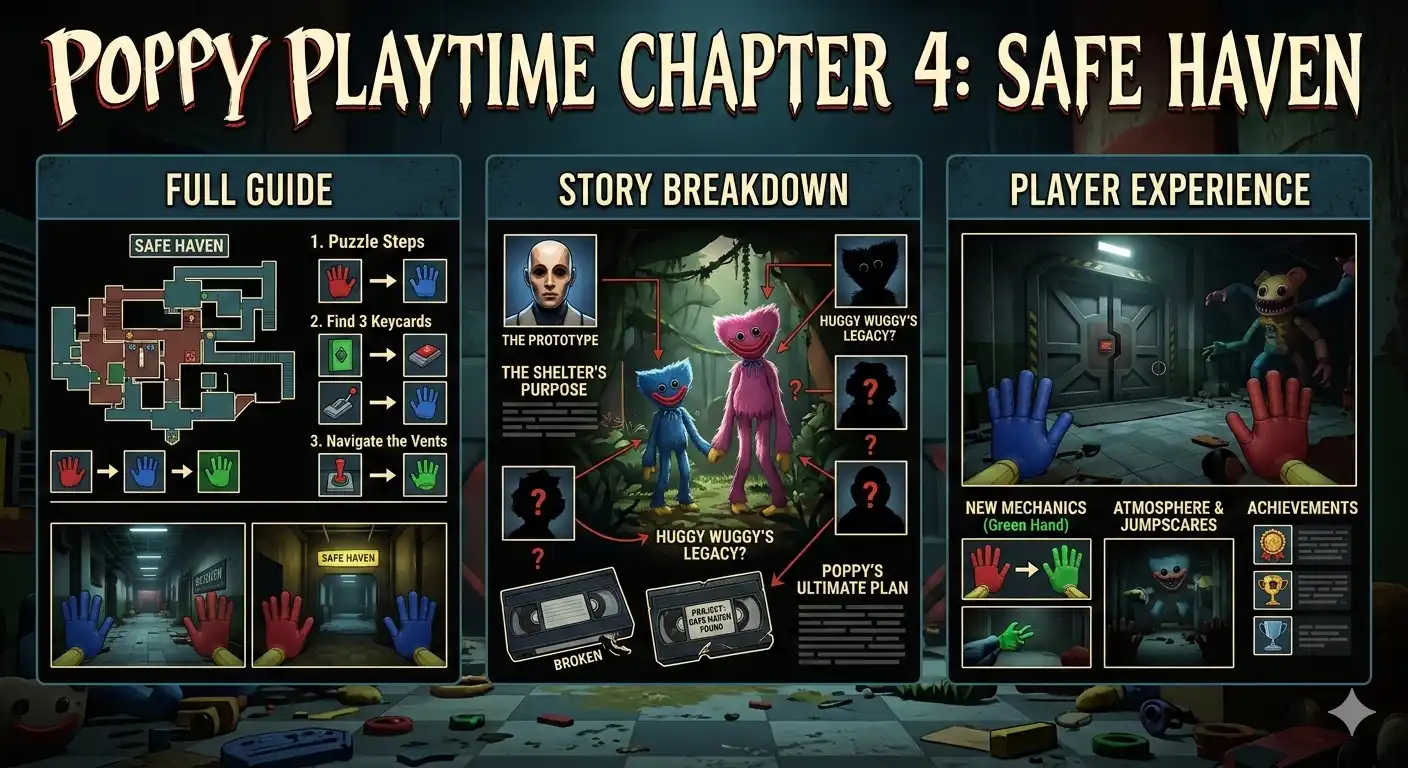
Poppy Playtime Chapter 4: Safe Haven (Full Guide, Story Breakdown & Player Experience)
When Poppy Playtime Chapter 4: Safe Haven dropped, everyone expected another round of jumpscares, a few new puzzles, and maybe a short continuation of the storyline. Instead, what we got was easily the darkest, most emotional, and most atmospheric chapter the series has ever released. Safe Haven doesn’t feel like a simple “next level” — it feels like the developers finally decided to show the real heart of Project Playtime and the consequences behind every experiment gone wrong.
If you’ve played the earlier chapters, you already know the formula: explore the abandoned facility, avoid the creations hunting you, solve puzzles, and uncover hidden notes. But Safe Haven flips everything. It’s not just a chase or puzzle chapter — it’s a psychological experience. The deeper you go, the more the environment fights you, not just the creatures.
This guide breaks down everything: the setting, story progression, puzzles, hidden areas, gameplay flow, enemy encounters, and the deeper meaning behind Safe Haven. For the installation guide and system requirements read here.
Table of Contents
The Atmosphere of Safe Haven — A Place That Isn’t What It Seems
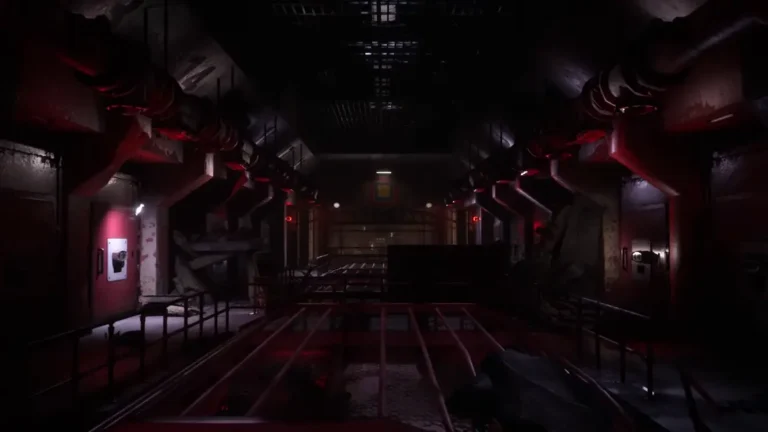
Safe Haven sounds comforting. It sounds like somewhere you go to escape danger. But the moment you step into this section of the Playtime facility, the name feels more like a cruel joke. The tone shifts instantly.
Instead of bright hallways or industrial rooms, Safe Haven gives you:
- Dim lights that flicker longer than they should,
- Quiet rooms where you hear your own footsteps louder than usual,
- Shadows that stretch unnaturally,
- and background noises that don’t match the environment.
The visual style is “familiar but wrong.” The developers used warm colors in areas where you expect safety, but the music never lets you feel comfortable. That uneasy blend is what makes Safe Haven unique.
This chapter wants you to slow down. It doesn’t throw jumpscares immediately. It’s almost like the game waits for your guard to drop.
Story Continuation — What Chapter 4 Adds to the Lore
Safe Haven picks up right where Chapter 3 ended, but this time, the pacing is more personal. Instead of just running for your life, you’re piecing together the story of what Playtime Co. did to the children, the workers, and the early prototypes.
Chapter 4 finally connects:
- Chapter 1’s factory mystery
- Chapter 2’s experiments
- Chapter 3’s emotional conflict
- and the real agenda of the company
You find recordings from early scientists who sound increasingly regretful. You see broken toys that were never completed. You walk into rooms that show what “training” actually meant for prototypes.
This chapter gives you the clearest picture of how the Poppy Playtime universe evolved—and how everything spiraled out of control.
Safe Haven Layout — Bigger, Smarter, and More Connected
Earlier chapters gave you separate rooms and linear paths. Chapter 4 introduces something else entirely: interconnected zones.
Safe Haven is built around:
- Multi-path corridors
- Puzzle rooms that loop back
- Hidden vents leading to shortcuts
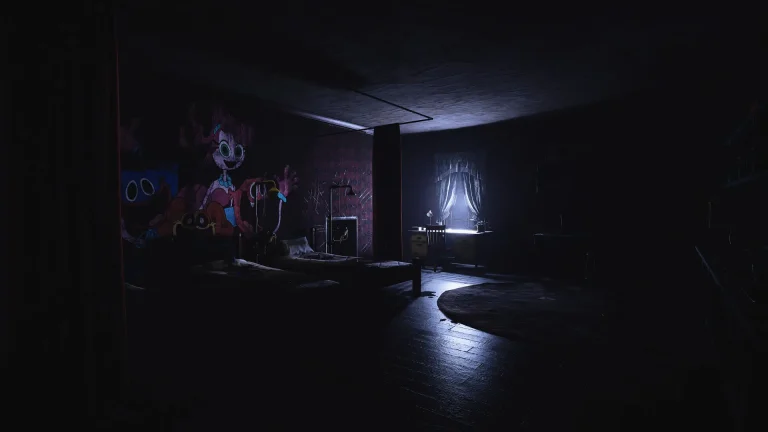
- Abandoned dorm-style sections
- Staff quarters that store audio logs
- Prototype testing rooms
- Large central zone you revisit
The game wants you to explore. If you rush, you’ll miss 40% of what makes Safe Haven great. Most of the story isn’t told through cutscenes — it’s hidden in objects, posters, broken machinery, and the environment itself.
Puzzle Design — More Logical, Less Repetitive
Chapter 4 has the most puzzle variety in the entire series, and for once, the puzzles feel fair.
You’ll face:
- Rotating circuit puzzles
- Timed memory sequences
- Pressure panel combinations
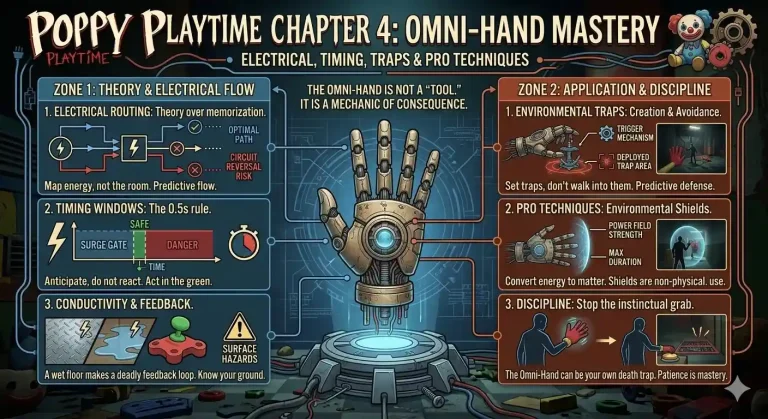
- Environmental puzzles using the GrabPack
- Light/cord-based interactions
- Silent-room puzzles that require audio cues
But the biggest difference is how puzzles reveal story. Each puzzle feels like it belongs to the world, not like a random mini-game placed inside a horror map.
For example, one puzzle in Safe Haven requires you to match prototype parts based on early experiment documents you find earlier. It’s those small touches that make the chapter feel alive.
Enemy Encounters — Smarter AI and Real Tension
If you have experience from the earlier chapters, you already know how unpredictable the enemies can be. But Safe Haven steps things up.
Chapter 4’s enemies:
- Follow sound
- Remember your last known location
- Fake footsteps
- and sometimes stop moving until you make a mistake
These encounters feel more like cat-and-mouse sequences instead of cheap horror jumps. You’re forced to use hiding spots, vents, and even puzzle rooms as temporary safe areas.
One of the standout enemies is a prototype that doesn’t chase you immediately. It follows you slowly at first, shadow-to-shadow, until you turn around and catch it halfway across a hallway.
This is the kind of horror that stays with you.
Hidden Rooms & Secret Lore Pieces
Chapter 4 rewards curious players.
Safe Haven has:
- Hidden vents leading to unlit labs
- Forgotten staff rooms with early prototype sketches
- Lockers filled with rejected toy parts
- A classroom-like area with shocking experiment notes
- Abandoned recreation rooms with graffiti from children
Some secrets shed light on:
- Who designed the prototypes
- Why certain toys behave aggressively
- How the company handled “failed subjects”
- Early attempts at controlling prototype intelligence
These details deepen the emotional weight of the story.
Safe Haven’s Emotional Tone — Fear Mixed With Sadness
Earlier chapters scared you.
Chapter 4 makes you feel something.
There’s a moment in Safe Haven where you find a child’s voice recording, cut off abruptly. Another where a prototype briefly mimics the voice of a former employee, hinting at something the series hasn’t clearly explained yet: memory transfer.
Safe Haven wants you to question whether the toys are just creatures—or victims who were changed beyond recognition.
That’s what makes this chapter so memorable.
Gameplay Flow — How Long Chapter 4 Really Is
Depending on how you explore:
Rushed players: 35–45 minutes
Normal players: 55–70 minutes
Explorers: 90+ minutes
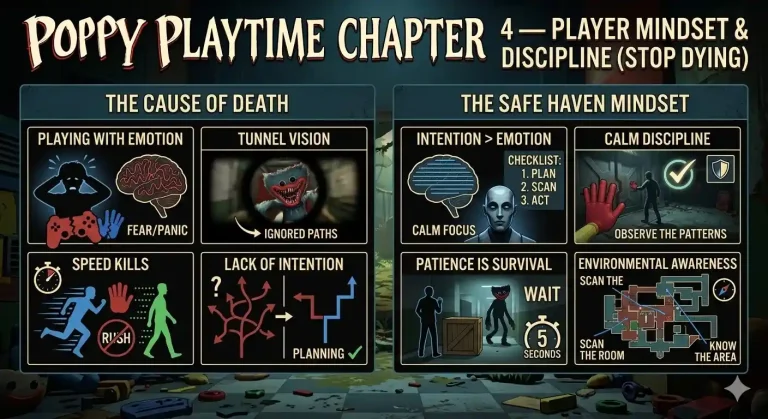
And trust me — the game is way better when you explore slowly. Rushing through Safe Haven means missing the entire emotional layer of the story.
Final Section — A Brutal Ending That Sets Up Chapter 5
The ending of Chapter 4 answers almost nothing.
Instead, it raises more questions.
You’ll face a final sequence that mixes:
- Fast-paced movement
- a chase that uses environmental danger
- a reveal that changes everything you assumed
- and a cutscene that hints at the next chapter’s villain
Players expecting closure get the opposite — a setup for what could be the biggest chapter in the series.
And honestly, it works.