Poppy Playtime Chapter 4 Replayability & Scaling — How Safe Haven Changes After Your First Run
The first run of Chapter 4 is terror.
The second run is negotiation.
Players who replay Safe Haven discover the truth:
The bunker never gets easier.
You get smarter.
And that changes everything.
This guide explains how the game scales without changing a single asset.
No spoilers, no enemy names, no scripted reveals.
Only the mechanics of mastery.
1. The Map Stops Being a Mystery
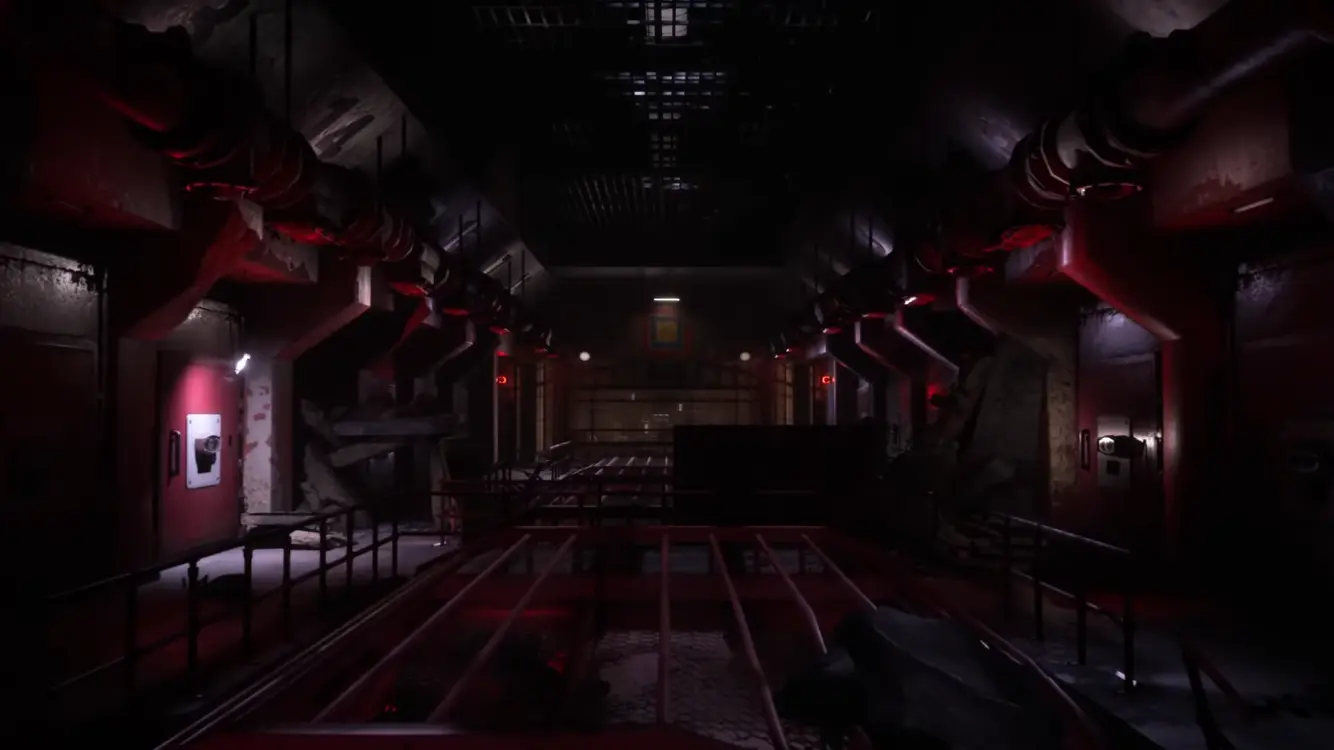
On your first run, every hallway feels like a threat.
You move like prey:
- eyes wide
- sprinting blindly
- reacting to every echo
On replay, the map becomes a contract:
You know where corridors choke.
You know which areas punish noise.
You know where to slow down and where to cross fast.
The fear stops coming from the unknown.
It comes from remembering what the bunker did to you.
Your brain doesn’t scream “What is here?”
It screams “I know what this area can do.”
That’s scaling.
2. Environmental Hazards Become Tools
During first play:
- slippery floors = panic
- echo chambers = paranoia
- wide rooms = false comfort
During replays:
- floors become traction strategy
- acoustics become movement timing
- wide rooms become bait for overconfident players
You stop asking:
“Will I die here?”
You start asking:
“How do I cross this room without creating new risk?”
The environment hasn’t changed.
Your brain has.
3. Memory Deletes Fear — Then Weaponizes It
Novelty terror is strongest on your first run.
Second run?
You start ignoring shadows.
Ignoring sounds.
Ignoring silence.
And that arrogance is how Safe Haven kills you again.
Chapter 4 is designed for this trap:
- familiarity grows
- confidence rises
- caution drops
- punishment begins
Scaling isn’t numbers.
Scaling is psychology.
4. You Stop Running From Threats — You Start Running From Yourself
Your enemies don’t need better AI.
You supply their opportunities.
First run = instinct.
Second run = strategy.
And strategy introduces hesitation.
You will find yourself thinking:
- “I know this area, I can rush it.”
- “I survived this last time, I’ll be fine.”
- “I already solved this.”
That mindset is why you die deeper into the facility.
You forget that the environment punishes behavior, not skill.
5. The Map Turns Into a Time Trial (You Created This)
Your first play-through feels like horror.
Your second becomes optimization:
- shortest corridor routes
- silence windows
- safe pivot angles
- shadow lanes
- diagonal entry points
You are no longer avoiding threats.
You are trying to outpace them.
The bunker does not reward speed.
It rewards patience.
Replay scaling isn’t about difficulty.
It’s about turning you into your own predator.
6. Your Eyes Finally Catch the Subtle Cues
Everything you missed the first time:
- scuff marks on rails
- bent metal plates
- sections of floor repaired twice
- ventilation patterns
- useless warning posters
- slanted lighting
These aren’t aesthetics.
They’re instructions.
Chapter 4 communicates in injury, not text.
Replay exposes that language.
7. The World Stops Attacking You — You Attack Yourself
After the first run, the game no longer needs to scare you.
You will:
- cut corners too sharply
- overextend in long tunnels
- sprint through echo chambers
- trust the wrong doors
- ignore quiet rooms
Fear stops being external.
It becomes internalized momentum.
Safe Haven doesn’t win by killing you.
You kill yourself by thinking you’ve beaten it.
8. Why Veterans Play Slower, Not Faster
New players:
“I want to escape.”
Experienced players:
“I want control.”
Speed is not dominance.
Speed is exposure.
On second runs, the highest-level players reduce pace:
- they walk
- they stop
- they observe
- they wait for silence
- they create space
They aren’t scared.
They’re calculating.
9. Scaling Without Content
Chapter 4 does something rare:
It doesn’t need:
- new enemies
- harder puzzles
- patched AI
It only needs you remembering the first time.
The map infects your brain.
Fear becomes memory.
Memory becomes pressure.
Pressure becomes mistakes.
That’s replayability.
Final Principle
Safe Haven never becomes easier.
Only you become less afraid.
And then the environment punishes your confidence.
The bunker doesn’t evolve.
You do — and that is your weakness.